
Japanese aesthetics, renowned for their harmony with nature, now extend to innovative worm composting. This “Japanese worm composter aesthetic” blends traditional principles of minimalism and natural materials with the practicalities of sustainable waste management. The result is a visually captivating and environmentally conscious approach to composting, inviting a deeper appreciation for both beauty and function.
The aesthetic is characterized by its use of natural materials, such as wood and bamboo, often crafted with meticulous attention to detail. Minimalist design principles are emphasized, prioritizing clean lines and uncluttered forms, which create a serene and harmonious atmosphere. The use of specific color palettes, inspired by Japanese cultural traditions, further enhances the visual appeal and fosters a sense of tranquility.
Defining the Aesthetic
The Japanese worm composter aesthetic transcends mere functional design, embracing a philosophy deeply rooted in Japanese design principles and cultural values. It prioritizes harmony with nature, emphasizing visual simplicity, natural materials, and a mindful approach to waste management. This unique aesthetic distinguishes it from other composter designs, creating a visually appealing and culturally relevant solution for composting.This aesthetic isn’t just about appearance; it embodies a commitment to sustainability and mindful living, reflecting a holistic approach to environmental responsibility.
The design choices are deliberate, aiming to seamlessly integrate the composter into the surrounding environment, rather than standing out as a jarring object.
Visual Characteristics
The visual characteristics of Japanese worm composters are often characterized by clean lines, muted color palettes, and a strong emphasis on natural materials. These aesthetics aim to create a sense of calm and harmony with the surrounding environment. The use of natural materials like wood, bamboo, or stone, often in a minimalist style, is a key element. A key design element is the thoughtful consideration of proportions, ensuring a harmonious balance between the composter’s size and the surrounding space.
Materials and Construction
The materials used in Japanese worm composters are predominantly natural and sustainable, reflecting a commitment to environmental consciousness. Common materials include untreated wood, bamboo, and sometimes stone or ceramic. The natural textures and tones of these materials are often left unadorned, showcasing the raw beauty of the materials themselves. The construction techniques prioritize durability and longevity, allowing the composter to withstand the elements while retaining its aesthetic appeal over time.
Cultural Influences
The Japanese worm composter aesthetic draws heavily from traditional Japanese design principles like wabi-sabi, which embraces imperfection and the beauty of natural processes. This philosophy emphasizes the inherent beauty in the natural world, including the cycle of decay and renewal that composting represents. Further contributing to this aesthetic is the strong cultural emphasis on sustainability and respect for nature in Japanese society.
This aesthetic is a reflection of the profound connection between humans and nature in Japanese culture, where beauty is found in simplicity and harmony.
Symbolism and Metaphors
The Japanese worm composter often symbolizes the cyclical nature of life, death, and renewal. The composting process, where organic matter breaks down and transforms into nutrient-rich soil, is seen as a metaphor for the continuous cycle of growth and decay. This visual representation underscores the aesthetic’s broader commitment to environmental stewardship and the natural world. This symbolism is further emphasized by the design choices that often use natural materials and colors, creating a sense of tranquility and connection with the surrounding landscape.
Distinguishing Features
Japanese worm composters often differ from other composter designs in their integration of Japanese design principles. They tend to be smaller and more compact than some other models, with a focus on discreet integration into the garden or outdoor space. The emphasis on natural materials and muted color palettes distinguishes them from designs that use vibrant colors or bold, industrial-style aesthetics.
Their construction often involves techniques that showcase the beauty of the natural materials, such as visible wood grain or natural stone patterns.
Design Elements
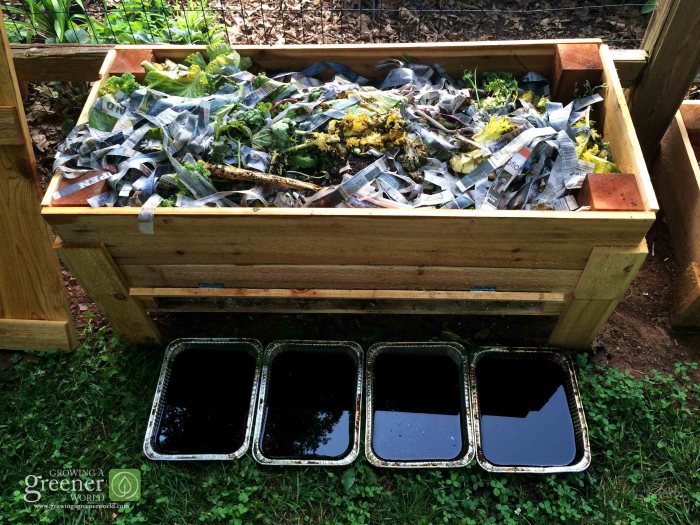
Japanese worm composter designs often prioritize aesthetics that blend seamlessly with the surrounding environment. This aesthetic frequently leverages natural materials and minimalist principles, creating a sense of tranquility and harmony, reflecting the cultural emphasis on simplicity and respect for nature. These designs often aim to be unobtrusive, blending into gardens and outdoor spaces without drawing undue attention to themselves.The core principles behind Japanese worm composter design, like many aspects of Japanese culture, are rooted in the concept ofwabi-sabi*, a philosophy that embraces the beauty of imperfection, impermanence, and natural asymmetry.
This philosophy translates directly into the design choices for these composter systems, promoting a harmonious integration with the natural world.
Common Design Elements
Japanese worm composters frequently feature a blend of natural materials, shapes, and colors to achieve a visually appealing and environmentally friendly design. These elements are often chosen for their ability to enhance the composting process, rather than just for aesthetic appeal.
| Element | Material | Shape | Color | Texture |
|---|---|---|---|---|
| Composter Body | Wood (bamboo, cedar, or reclaimed wood), stone, ceramic | Cylindrical, rectangular, or hexagonal | Earthy tones (brown, beige, gray), natural wood finishes | Smooth, rough, or textured depending on material |
| Cover/Lid | Same as composter body | Matching the composter body shape | Matching or slightly contrasting colors | Same texture as composter body |
| Support Structure | Wood, stone, metal (often rust-colored) | Minimalist and supportive | Matching or complementary to other elements | Smooth, weathered, or rough depending on material |
Natural Materials
The use of natural materials is central to the Japanese worm composter aesthetic. Wood, bamboo, and stone are prevalent choices, drawing inspiration from the surrounding environment. Reclaimed wood adds a sense of history and character, reflecting a focus on sustainability and resourcefulness. This approach minimizes the environmental impact of the composter, fitting seamlessly into the landscape.
- Bamboo, known for its strength and flexibility, often serves as a structural element or a decorative accent. Its natural color and organic texture contribute to the overall aesthetic.
- Cedar, with its naturally occurring scent and attractive grain, is used to provide a visually appealing and naturally aromatic surface.
- Reclaimed wood, with its unique patterns and subtle imperfections, adds a touch of rustic charm and a connection to the past. This element often speaks to the values of sustainability and repurposing materials.
Minimalist Principles
Minimalist principles play a significant role in shaping the design of Japanese worm composters. The emphasis is on simplicity, clean lines, and functionality. Form follows function; the composter’s design should be both visually appealing and practical for its intended purpose. Avoidance of unnecessary embellishments or ornamentation is key to achieving this aesthetic.
- Simple shapes, such as rectangles, cylinders, or hexagons, are often chosen for their clean lines and uncluttered appearance.
- A focus on natural materials, without excessive embellishment, further enhances the minimalist aesthetic. This approach creates a calm and serene atmosphere.
- The materials chosen for the composter should enhance the overall sense of simplicity and harmony with the environment.
Color Palettes
Color palettes in Japanese worm composter designs often draw inspiration from nature, with earthy tones taking center stage.
| Palette | Colors | Cultural Significance |
|---|---|---|
| Earthy Tones | Brown, beige, gray, dark green | Reflect nature, tranquility, and harmony |
| Natural Wood | Light brown, medium brown, reddish-brown | Emphasize the warmth and beauty of natural materials |
| Stone/Gravel | Gray, muted beige, light brown | Evokes the strength and durability of natural elements |
These color palettes evoke a sense of tranquility and harmony, allowing the composter to seamlessly blend into its surroundings, rather than standing out. The natural tones create a sense of peacefulness and connection to nature, reflecting the Japanese cultural appreciation for the beauty of simplicity and understated elegance.
Visual Representations
The Japanese worm composter aesthetic, rooted in mindful design and sustainability, relies heavily on visual cues to evoke a sense of tranquility and connection with nature. This aesthetic transcends mere functionality, aiming to create a harmonious integration of the composter into the surrounding environment. Effective visual representations are crucial for conveying this ethos and attracting consumers seeking both practical and aesthetically pleasing solutions.Visual imagery plays a critical role in communicating the essence of the Japanese worm composter aesthetic.
By employing specific color palettes, patterns, and compositions, designers can evoke a sense of harmony and balance, aligning with the core principles of Japanese design philosophies like minimalism and wabi-sabi. The visual language aims to inspire a sense of serenity and appreciation for the natural composting process.
Examples of Visual Imagery
A successful visual representation of the Japanese worm composter aesthetic often portrays a serene, natural setting. For instance, images might feature a sleek, dark-toned composter integrated seamlessly into a garden bed filled with verdant plants. The composter’s smooth, organic lines and muted color palette – perhaps earthy tones like browns, greens, and grays – would complement the surrounding foliage.
Another example might showcase a composter nestled amongst rocks and flowing water, highlighting the composter’s integration with a natural landscape.These images evoke a feeling of tranquility and harmony. The natural lighting and soft colors create a peaceful atmosphere, drawing attention to the beauty of the composting process. The placement and design of the composter emphasize its functionality and seamless integration into the environment.
Comparison of Visual Representations
| Visual Representation | Mood & Atmosphere | Color Palette | Design Elements |
|---|---|---|---|
| Composter nestled amongst a Zen garden | Serene, peaceful, meditative | Muted greens, grays, browns, and subtle whites | Simple, organic shapes; natural materials like wood or stone; emphasis on asymmetry and natural flow |
| Composter integrated into a modern garden design | Clean, minimalist, sophisticated | Earthy tones, neutral grays, and blacks | Sleek lines, geometric forms; integrated into the overall garden design; emphasis on functionality |
| Composter in a rustic, woodland setting | Warm, inviting, earthy | Deep browns, greens, and creams | Natural materials; rough-hewn textures; integrated into the landscape; emphasis on natural materials |
This table demonstrates the diverse approaches to representing the aesthetic. Each approach evokes a distinct mood and atmosphere, appealing to different consumer preferences.
Role of Imagery in Conveying the Aesthetic
Images are crucial in communicating the aesthetic’s core values. They evoke feelings of tranquility, connection with nature, and sustainability. Images should showcase the composter’s harmonious integration into the surrounding environment, emphasizing the natural process of composting. High-quality photography and thoughtful composition are key to effectively communicating the intended message.
Symmetry and Balance in Visual Representations
The use of symmetry and balance is important in visual representations. While not strictly symmetrical, Japanese design often emphasizes a sense of harmony and balance. Images of the worm composter should create a sense of equilibrium, either through careful placement of elements within the frame or by using subtle asymmetries that create a sense of natural flow. This is often achieved through natural framing elements, such as trees or rocks, to draw the eye and create a focal point.
The visual language avoids abrupt transitions and instead emphasizes gentle curves and soft edges.
Cultural Context
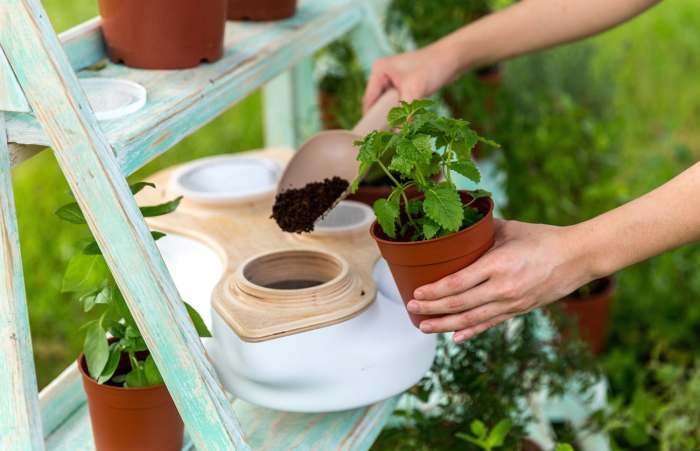
The Japanese worm composter aesthetic draws heavily from deeply ingrained design principles rooted in the nation’s rich history and cultural values. This aesthetic isn’t merely a collection of design elements; it reflects a profound respect for nature, a commitment to sustainability, and a philosophical approach to living in harmony with the environment. These principles are interwoven with the practical need for resourcefulness and efficient use of space, especially relevant in a densely populated archipelago.
Historical and Cultural Background of Japanese Design Principles
Japanese design principles, often encompassing the concept of
- wabi-sabi*, emphasize simplicity, imperfection, and the natural beauty of impermanence. These principles trace back to ancient traditions, emphasizing the beauty found in natural materials and processes. The aesthetic value of natural textures, subtle color palettes, and the organic forms found in nature are deeply embedded in Japanese culture. This approach contrasts with the emphasis on symmetry and elaborate ornamentation found in some other cultures.
The concept of
- shibui*, or understated elegance, further reinforces this appreciation for natural simplicity.
Connection Between Japanese Aesthetics and Nature
The connection between Japanese aesthetics and nature is profound. Japanese gardens, renowned for their minimalist designs and integration of natural elements, exemplify this connection. The careful arrangement of rocks, water features, and vegetation reflects an understanding of natural processes and an appreciation for the harmony of the environment. This philosophy translates directly to the Japanese worm composter aesthetic, where the design seeks to blend seamlessly with the surrounding environment, minimizing its visual impact while maximizing its functionality.
Materials and colors often echo natural tones and textures, further emphasizing this symbiotic relationship.
Sustainability and Environmental Consciousness in the Aesthetic
Sustainability and environmental consciousness are central to the Japanese worm composter aesthetic. The practice of composting itself is deeply rooted in sustainable principles, returning organic matter to the earth. This aligns perfectly with the Japanese philosophy of respecting nature and minimizing environmental impact. The aesthetic’s emphasis on natural materials, durability, and functionality underscores a commitment to creating designs that endure and have a positive impact on the environment.
This aligns with the growing global awareness of ecological concerns.
Comparison to Similar Aesthetics in Other Cultures
While elements of natural aesthetics and sustainability exist in various cultures, the specific blend found in the Japanese worm composter aesthetic is unique. Some cultures, like those in Scandinavia, emphasize minimalism and functionality in design, but the emphasis on natural harmony andwabi-sabi* principles are less prominent. The integration of natural processes and the emphasis on minimizing environmental impact are key differentiators of the Japanese approach.
Table Contrasting Japanese Aesthetic with Other Related Themes
| Feature | Japanese Worm Composter Aesthetic | Zen Gardens | Traditional Japanese Architecture |
|---|---|---|---|
| Primary Focus | Sustainable waste management, blending with nature | Meditation, contemplation of nature’s impermanence | Harmony with the environment, durability, and elegance |
| Material Selection | Natural, recycled materials | Natural stones, gravel, sand | Wood, bamboo, natural stone, tile |
| Form | Organic, functional, minimal | Geometric, asymmetrical, minimalist | Asymmetrical, often with a sense of spaciousness |
| Color Palette | Earthy tones, natural hues | Earthy tones, subtle colors | Natural tones, often with accents of color |
Materials and Construction
Japanese worm composters, deeply rooted in the country’s aesthetic sensibilities, often prioritize natural materials and meticulous craftsmanship. This approach, while traditional, also reflects modern sustainability concerns, making them a compelling model for eco-conscious design. The choice of materials and construction methods are intertwined with the desired aesthetic and functional longevity.The design process prioritizes durability, aesthetic appeal, and environmental responsibility.
The materials chosen contribute significantly to the overall visual language of the composter, creating a harmonious blend of form and function. This balance is key to the composter’s integration into Japanese gardens and landscapes.
Materials Commonly Used
The selection of materials for Japanese worm composters frequently prioritizes natural, readily available resources. Wood, often sourced from sustainably managed forests, is a prominent choice. Its warm tones and natural grain contribute significantly to the aesthetic appeal. Other materials include bamboo, stone, and sometimes ceramic. These materials, with their unique textures and colors, offer versatility in creating visually appealing composters.
Construction Methods
Traditional Japanese construction methods, emphasizing precision and attention to detail, are employed. The joinery techniques often involve mortise-and-tenon joints, creating strong and visually appealing connections. This dedication to craftsmanship is evident in the smooth, clean lines and the seamless integration of components. The focus on meticulous construction, not just in function, but also in form, is key to the lasting appeal of the design.
Material Table
| Material | Aesthetic Qualities | Durability | Sustainability | Contribution to Aesthetic |
|---|---|---|---|---|
| Wood (e.g., cedar, cypress) | Warm tones, natural grain, organic texture | High, with proper treatment and maintenance | High, if sourced from sustainable forestry | Creates a natural, grounded aesthetic, integrating with surrounding landscapes. |
| Bamboo | Striated texture, light color, strong | Moderate, susceptible to weathering, needs maintenance | High, sustainable and readily available | Provides a modern, elegant feel, contrasting with the earthiness of wood. |
| Stone (e.g., granite, slate) | Cool tones, varied textures, permanence | Very high, resistant to weathering | Variable, depends on the extraction method | Adds a sense of groundedness, a connection to the earth, and longevity to the design. |
| Ceramic | Smooth surfaces, various colors, durability | High, resistant to moisture and weathering | Variable, depends on manufacturing process | Provides a unique, often artistic element, enhancing the overall aesthetic. |
Craftsmanship and Detail
The creation of a Japanese worm composter is not just about assembling materials; it’s a demonstration of craftsmanship. Attention to detail in joinery, finishing, and overall form ensures a product that is not only functional but also visually pleasing. The level of craftsmanship contributes significantly to the overall aesthetic, reflecting a respect for the material and the process.
Examples of meticulous work in Japanese carpentry and joinery are evident in traditional structures, such as teahouses and shrines. This dedication to quality elevates the composter from a functional tool to a work of art.
Functionality and Practicality
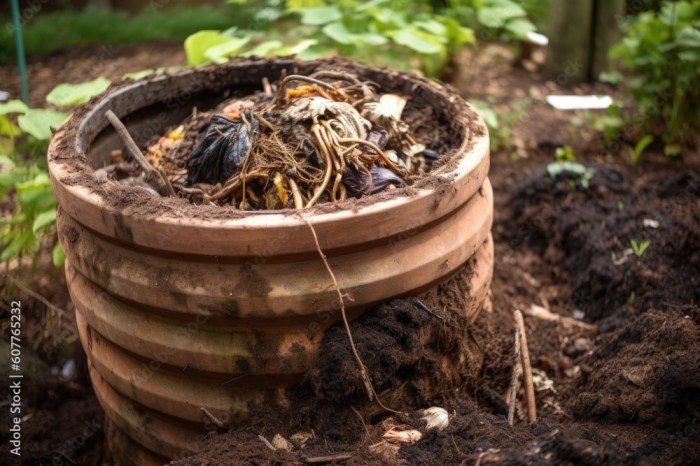
Japanese worm composting, a method deeply rooted in traditional Japanese agricultural practices, offers a unique blend of aesthetic appeal and practical functionality. This approach prioritizes both the visual harmony of the composter and the efficient decomposition of organic waste, creating a symbiotic relationship between nature and design. The aesthetic elements, while crucial, do not compromise the system’s efficiency.Japanese worm composting methods, often featuring intricate designs and natural materials, are demonstrably practical.
The focus on efficient decomposition, combined with the careful selection of materials, contributes to the system’s overall effectiveness. The systems, while aesthetically pleasing, also provide a reliable method for converting kitchen scraps and yard waste into nutrient-rich compost.
Efficiency of the Composting Process
The efficiency of Japanese worm composting is intrinsically linked to the design. The controlled environment and the active participation of worms, along with the careful selection of the composting material, result in a faster and more complete decomposition process compared to traditional methods. This efficiency is often observed in reduced composting time and the high quality of the resulting compost.
Comparison with Other Composting Systems
Japanese worm composting systems, while sharing the goal of organic waste decomposition, differ from other systems in their design and focus on aesthetics. Compared to simpler, bin-based composting, Japanese worm composting often involves more elaborate structures with intricate details, focusing on both practicality and beauty. The emphasis on worm habitat and the resulting aesthetically pleasing finished product is a distinguishing feature.
Other systems, like vermicomposting in simple bins, might be less visually appealing but equally effective in waste management.
Environmental Benefits of Worm Composting
Japanese worm composting, like other vermicomposting methods, offers significant environmental advantages. By diverting organic waste from landfills, the method reduces methane emissions and conserves valuable resources. Furthermore, the nutrient-rich compost produced can be used to fertilize gardens and plants, reducing the need for chemical fertilizers. This contributes to a sustainable and eco-friendly approach to waste management.
Advantages and Disadvantages of Japanese Worm Composting
| Advantages | Disadvantages |
|---|---|
| High efficiency in decomposition | Potentially higher initial cost due to the complexity of the design |
| Reduced landfill waste and methane emissions | Requires more space compared to simpler composting methods |
| Production of nutrient-rich compost for gardening | May require more maintenance and monitoring to ensure optimal conditions for the worms |
| Aesthetically pleasing and integrates into the garden | Design complexity can sometimes lead to less accessibility to those with limited resources |
| Improved soil health | Limited applicability for large-scale commercial composting operations |
Sustainability and Environmental Impact

Japanese worm composting, particularly in its aesthetically refined designs, offers a powerful pathway to mitigate environmental impact. The meticulous attention to detail and the selection of sustainable materials in these composters contribute to a circular economy, reducing reliance on conventional waste disposal methods and promoting resource conservation. The process, when implemented effectively, can transform organic waste into valuable soil amendments, minimizing landfill burden and fostering healthier ecosystems.
Environmental Benefits of Worm Composting
Worm composting significantly reduces the environmental burden associated with traditional waste management. It converts organic matter into nutrient-rich compost, thereby decreasing the need for synthetic fertilizers and promoting soil health. This, in turn, enhances plant growth, reduces the need for pesticides, and supports biodiversity in agricultural systems. Furthermore, worm composting minimizes greenhouse gas emissions by diverting organic waste from landfills, where it decomposes anaerobically, producing methane, a potent greenhouse gas.
Japanese Worm Composter Designs and Sustainability
Japanese aesthetics in worm composting are deeply rooted in sustainability principles. The focus on minimalism, natural materials, and meticulous craftsmanship ensures the composter’s longevity and reduces the need for frequent replacements. The aesthetic often incorporates elements like wood, bamboo, or ceramic, which are renewable and readily available resources. Furthermore, the design often prioritizes efficient composting processes, accelerating the decomposition rate and maximizing nutrient extraction.
Minimizing Environmental Impact in the Aesthetic
The aesthetic of a Japanese worm composter should prioritize minimizing its environmental footprint. This involves choosing materials with low embodied energy, meaning materials that require minimal energy to produce and transport. Designs should favor local sourcing of materials to reduce transportation emissions and support local economies. The aesthetic should not be at the expense of functionality, ensuring the composter effectively converts organic waste and minimizes material waste.
Eco-Friendly Materials in Japanese Worm Composter Designs
A variety of eco-friendly materials are employed in the construction of Japanese worm composters. These include:
- Wood (e.g., bamboo, cedar): Renewable resources that provide a natural aesthetic and are relatively easy to work with, often showcasing natural grain patterns. Bamboo, in particular, is a fast-growing, sustainable alternative to traditional hardwoods.
- Ceramic: Durable and aesthetically pleasing, ceramic composters offer a unique aesthetic. Their low maintenance requirements contribute to long-term sustainability.
- Recycled Materials: The use of recycled plastic, wood chips, or other recycled components is gaining traction, further minimizing the need for virgin materials.
Lifecycle of a Japanese Worm Composter
The lifecycle of a Japanese worm composter begins with the selection of sustainable materials. The manufacturing process should minimize waste and prioritize ethical labor practices. The design should maximize the composter’s lifespan, encouraging responsible disposal and reuse of components at the end of its life. The composting process itself further reduces waste, transforming organic matter into valuable compost.
Ultimately, the composter’s lifecycle aims to create a closed-loop system, minimizing environmental impact throughout its entire existence.
Accessibility and Inclusivity
Japanese worm composting, with its aesthetic appeal and environmental benefits, presents an opportunity for wider participation. Ensuring accessibility and inclusivity in design and construction is crucial to realizing its full potential. This necessitates considering the diverse needs of potential users, from physical limitations to varying levels of technical expertise.Addressing accessibility and inclusivity requires a proactive approach that goes beyond simply making the composter physically usable.
It involves understanding the specific challenges different user groups might face and tailoring the design to accommodate these challenges effectively. This includes considering factors like mobility, dexterity, and cognitive abilities, as well as language barriers and cultural sensitivities.
Accessibility Considerations
Ensuring a composter’s usability requires considering diverse needs, including those with physical limitations. Accessibility features can enhance the experience and broaden participation. For example, a low-profile design allows easier access for individuals with limited mobility. Features like wide openings for filling and emptying, and easily grasped handles, can enhance dexterity. Additionally, providing clear, concise, and multilingual instructions ensures accessibility for users with varying levels of understanding or language proficiency.
Inclusivity in Design and Construction
Design elements should reflect inclusivity, avoiding potentially exclusionary aesthetics. The use of readily available, locally sourced materials, and simple construction techniques can reduce the barrier to entry for individuals with limited resources. Community workshops or online tutorials, offered in multiple languages, can provide training and support to users with varying levels of technical expertise. These workshops can also create a sense of community, encouraging shared learning and fostering a spirit of collaboration.
Steps to Create a More Accessible Design
Creating a more accessible design involves a multi-faceted approach:
- Modular Design: A modular design allows for customization and adaptation to different user needs. This flexibility can accommodate varying space constraints and individual preferences, making the system adaptable to different contexts. This modularity can allow users to adapt the design to their specific needs and preferences, allowing them to customize the system to their individual requirements.
- Adjustable Height: Providing adjustable height options can accommodate users with different physical attributes, enabling easy access and operation regardless of height or mobility issues.
- Intuitive Controls: The use of clear and intuitive controls is paramount. Clear labeling, simple mechanisms, and visually distinct components contribute to a more user-friendly experience, accommodating those with cognitive differences or visual impairments.
- Ergonomic Handles and Openings: Ergonomic handles and wide openings minimize strain and effort during operation. This approach is crucial for individuals with limited dexterity or strength. These elements can be critical in enhancing the overall user experience, allowing for a comfortable and efficient operation.
Diverse Applications of the Japanese Worm Composter Aesthetic
The Japanese worm composter aesthetic can be applied to diverse settings. From community gardens and urban farms to schools and homes, its design elements can be adapted and integrated into various environments. For instance, a smaller, aesthetically pleasing composter could be placed in a classroom to educate students about composting, fostering a sense of environmental responsibility. Similarly, the design can be incorporated into larger-scale community projects, promoting environmental awareness and sustainable practices on a wider scale.
Potential Improvements to Accessibility and Inclusivity
| Feature | Improvement | Rationale |
|---|---|---|
| Height Adjustment | Offer adjustable legs or platforms. | Allows users of varying heights to comfortably interact with the composter. |
| Material Selection | Use durable, locally sourced, and readily available materials. | Reduces costs and promotes sustainability. Materials that are easy to acquire and work with, potentially made from locally sourced or recycled materials, are preferable to minimize environmental impact and cost for the user. |
| Instructions | Provide multilingual and visual instructions. | Ensures clarity and comprehension for a wider audience. |
| Maintenance | Develop user-friendly maintenance guides. | Reduces barriers to entry for less experienced users. |
Inspiration and Inspiration Sources
The Japanese worm composter aesthetic, with its emphasis on natural harmony and mindful design, draws inspiration from a rich tapestry of cultural and artistic traditions. This aesthetic, deeply rooted in Japanese sensibilities, offers a compelling vision for sustainable living, blending practical functionality with profound beauty.This unique aesthetic transcends mere functionality; it embodies a philosophy of respecting nature and minimizing environmental impact.
The meticulous attention to detail and the harmonious integration of form and function reflect a long-held Japanese commitment to crafting objects that not only serve a purpose but also evoke a sense of tranquility and connection with the natural world.
Examples of Inspiration from Nature
The Japanese aesthetic, deeply intertwined with nature, often draws inspiration from natural forms, textures, and processes. The flowing lines of bamboo, the delicate patterns of leaves, and the subtle gradations of color in moss all inform the visual language of Japanese design. The worm composter aesthetic, therefore, might utilize these elements in its form and surface treatments. The subtle curves and organic shapes found in nature are often replicated, evoking a sense of serenity and connection to the environment.
Influence of Japanese Aesthetics
The Japanese aesthetic has been profoundly influenced by the country’s rich history and unique cultural values. The emphasis on minimalism, natural materials, and understated elegance is deeply embedded in traditional Japanese design principles, including those related to gardens and tea ceremonies. These principles are often reflected in the simplicity and functionality of the worm composter design. The natural materials, like wood and bamboo, further enhance the connection to the environment.
Historical Context of the Aesthetic
The Japanese aesthetic, with its focus on harmony with nature, has evolved over centuries, reflecting the changing societal values and artistic movements. The influence of Zen Buddhism, with its emphasis on meditation and tranquility, has significantly shaped the aesthetic. The focus on simplicity, mindfulness, and a deep appreciation for the natural world is a recurring theme throughout various historical periods.
The appreciation of imperfection, or “wabi-sabi,” which embraces the beauty of impermanence and natural processes, is also a key element.
Influence of Other Aesthetics
The design of Japanese worm composters has been influenced by other aesthetics. For example, the concept of sustainability and environmental consciousness has gained prominence in recent decades, further influencing the aesthetic direction of these products. The incorporation of modern technologies and materials while maintaining the traditional aesthetic values of Japan also provides further context. This demonstrates the ongoing evolution and adaptation of the Japanese aesthetic.
Examples of Artists and Designers
Numerous artists, designers, and craftspeople have drawn inspiration from the Japanese aesthetic, particularly its emphasis on natural materials, minimalist forms, and harmonious integration with the environment. The influence can be seen in contemporary architecture, product design, and even fashion. The use of natural materials like bamboo and wood, and the focus on understated elegance in modern product design are further examples of this influence.
For instance, the use of natural materials and minimalist designs in modern product design often draws inspiration from Japanese aesthetics.
Historical Periods Influencing the Japanese Aesthetic
Several historical periods have shaped the Japanese aesthetic, each contributing unique elements to its rich and diverse character. The Heian period, known for its elegance and refinement, influenced the appreciation of subtle beauty. The Edo period, characterized by its focus on simplicity and practicality, also contributed to the aesthetic’s development. Each period, from the ancient to the contemporary, has left its mark on the cultural and artistic expression that underlies the aesthetic.
The ongoing evolution of the aesthetic continues to be influenced by modern societal trends and cultural shifts.
Future Trends and Developments
Japanese worm composting, with its aesthetic appeal rooted in traditional design principles, is poised for exciting evolution. Technological advancements and changing consumer preferences will likely shape the future of these compact, functional units, driving innovation in materials, construction, and functionality. The aesthetic, while maintaining its core principles of simplicity and natural harmony, will likely adapt to reflect these shifts.The evolving needs of urban dwellers, combined with a growing awareness of sustainability, will propel the design of Japanese worm composters toward greater integration with home environments.
Emphasis on space-saving designs and user-friendly interfaces will be paramount. Moreover, the growing demand for aesthetically pleasing and environmentally conscious products will lead to more innovative materials and construction techniques.
Potential Design Innovations
The integration of smart technology will significantly influence future worm composter designs. Sensors monitoring composting conditions (temperature, moisture, and pH levels) and automated feeding systems will become increasingly common. These features will allow for more efficient composting processes and provide users with real-time data and actionable insights. Furthermore, advanced materials with improved durability and aesthetic qualities, such as bamboo composites or bioplastics, will likely emerge.
Advancements in Materials and Construction
Innovations in materials will focus on sustainability and durability. Bio-based materials, like mycelium composites or sustainably sourced wood, are promising alternatives to traditional plastics and metals. These materials will align with the core aesthetic values of the Japanese worm composter while ensuring long-term functionality. Advanced construction methods, such as 3D printing, could offer greater design flexibility and allow for intricate, customized shapes and features that enhance the visual appeal.
The use of recycled materials in the construction will further strengthen the sustainability aspect.
Evolution of the Aesthetic
The aesthetic of Japanese worm composters will likely evolve by incorporating elements of minimalism and modern design. Sleek lines, subtle color palettes, and seamless integration with contemporary interiors will be key. Emphasis on transparency to showcase the composting process and the presence of natural elements will remain a defining characteristic. Integration with vertical gardening systems, allowing for the creation of miniature urban farms, could further enhance the aesthetic.
Forecasted Future Developments in Japanese Worm Composter Aesthetics
| Year | Aesthetic Trend | Material Innovation | Technological Advancements |
|---|---|---|---|
| 2025 | Sleek, minimalist designs with integrated smart technology | Recycled plastics, bamboo composites | Automated feeding systems, sensor-based monitoring |
| 2030 | Emphasis on biophilic design, incorporating natural materials like mycelium composites | Bio-based plastics, mycelium-based construction | AI-powered composting optimization, user-friendly app interfaces |
| 2035 | Integration with vertical gardening systems, showcasing the composting process | 3D-printed components, advanced sustainable polymers | Real-time composting data visualization, predictive maintenance |
Outcome Summary

This exploration of the Japanese worm composter aesthetic reveals a profound intersection of design principles, cultural values, and environmental consciousness. The meticulous attention to detail, the incorporation of natural materials, and the emphasis on minimalism contribute to a harmonious and sustainable approach to composting. Ultimately, this aesthetic offers a compelling example of how design can foster both beauty and practicality in the pursuit of environmental responsibility.
